When we think about summer for our kids, we often picture freedom, outdoor adventures, and a break from school. What many parents don’t realize is that this very freedom is one of the most powerful learning opportunities of all.
Play is not just downtime—it is one of the most natural and effective ways students build executive function skills. From board games to sports, from creative play to unstructured time with peers, children are constantly practicing the self-regulation, planning, flexibility, and problem-solving skills they need to thrive in school and life.
If you’re looking for summer activities that build executive function skills, play-based learning is one of the most effective approaches.
What Are Executive Function Skills?
Executive function skills are the mental tools that help students manage themselves and their work. These include:
- Planning and organizing
- Time management
- Working memory
- Flexibility and adaptability
- Impulse control and emotional regulation
- Persistence and follow-through
These skills are used every day: starting homework without being reminded, keeping track of materials, managing multiple assignments, calming down when frustrated, and adjusting when plans change. They are just as important as academics for long-term success.
Research shows that unstructured, self-directed activities are especially effective at building these skills because they require children to initiate, plan, and regulate their own behavior instead of following adult directions.
How Play Builds Executive Function Skills in Children
Everyday play is filled with opportunities for skill development, even when it doesn’t look like “learning.” When children play, they are actively practicing the same skills they need in the classroom and at home.
Board Games and Games with Rules
Board games, card games, and other structured games teach:
- Turn-taking and impulse control
- Following multi-step rules
- Planning ahead and adapting when things don’t go as expected
- Managing frustration and losing gracefully
These games help students practice waiting, thinking before acting, and adjusting their strategy when situations change.
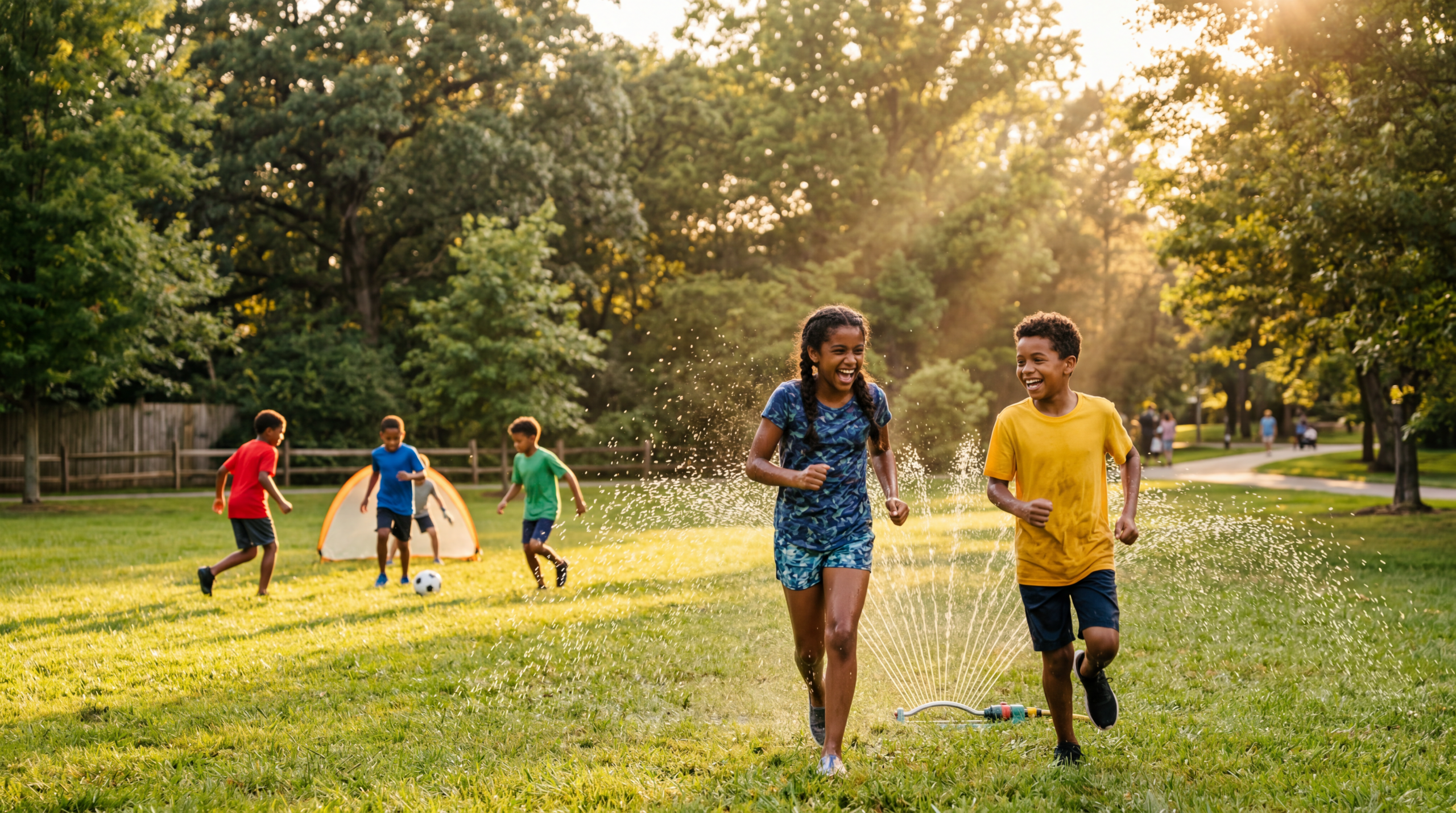
Sports and Physical Play
Sports, tag, playground games, and other physical activities strengthen:
- Emotional regulation and self-control
- Adaptability when the game or environment changes
- Persistence through challenges
- Teamwork and communication
These activities also help students learn how to handle competition, manage setbacks, and keep trying when things are difficult.
Creative and Imaginative Play
Pretend play, building projects, art, and creative activities support:
- Planning and sequencing (e.g., “First I build this, then I add that”)
- Goal-setting and problem-solving
- Organization and follow-through
- Flexibility when ideas shift or plans change
When children create something new, they are practicing how to organize their thinking, make decisions, and see a plan through to completion.
Group Play and Social Interactions
Playing with peers requires:
- Communication and negotiation
- Flexibility when others have different ideas
- Problem-solving when conflicts arise
- Self-regulation when emotions run high
These interactions help students learn how to work with others, manage disagreements, and adjust their behavior in social settings.
A Summer That Builds Skills and Joy
Summer does not need to be packed to be productive. In fact, the balance of play and intentional support is often the most powerful combination of all.
When students have space to play, explore, and grow, they build the executive function skills that make school feel more manageable, relationships healthier, and confidence stronger.
If you are looking for ways to make this summer meaningful, consider both the joy of play and the power of coaching. Together, they can help your student build skills that last far beyond the summer months.
Ready to Support Your Student This Summer?
Explore our summer executive function workshops, growth mindset camps, and one-on-one executive function coaching to help your student build skills in a supportive, low-pressure environment.